What Causes a Blocked Drain and How Can You Fix It?
Slow drains and bad smells usually mean a blockage. Learn the common causes, safe ways to clear a blocked drain and how to stop it coming back.
Call 020 3411 2027Read the guide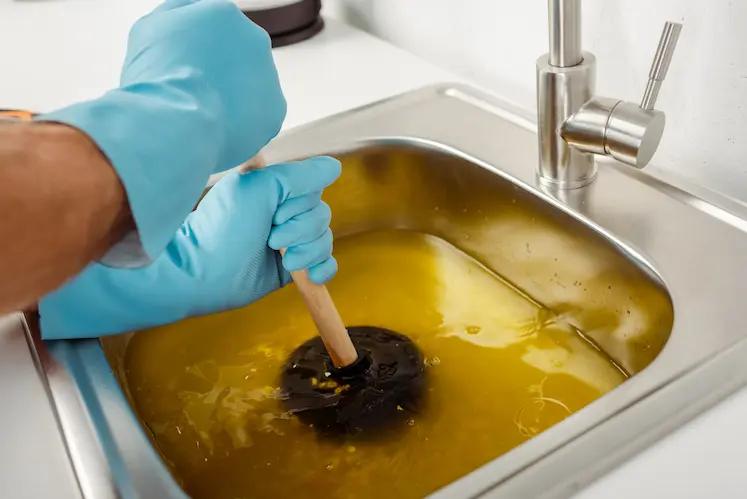
A blocked drain is one of the most common household problems. Water drains slowly or not at all, bad smells appear and, left alone, a blockage can lead to overflowing sinks, toilets or even flooding. The good news is that many blockages can be cleared safely at home.
- Work out whether it is one sink or several drains.
- Try a plunger or clean the U-bend trap.
- Avoid harsh chemical cleaners and boiling water on plastic pipes.
- Call a plumber if it keeps coming back or affects several drains.
What causes a blocked drain?
Signs of a blocked drain
- Water draining slowly, or pooling in the sink, bath or shower.
- Gurgling noises from plugholes or toilets.
- Unpleasant smells coming from drains.
- Water backing up, or an outside drain overflowing.
How to clear a blocked drain
-
Remove visible debris
Wearing gloves, take out hair and debris from the plughole or strainer. This alone often solves a slow shower or basin.
-
Use a plunger
Cover the plughole with a plunger, make sure there is enough water to cover the cup, and push and pull firmly for 20 to 30 seconds. For a double sink, block the other plughole first.
-
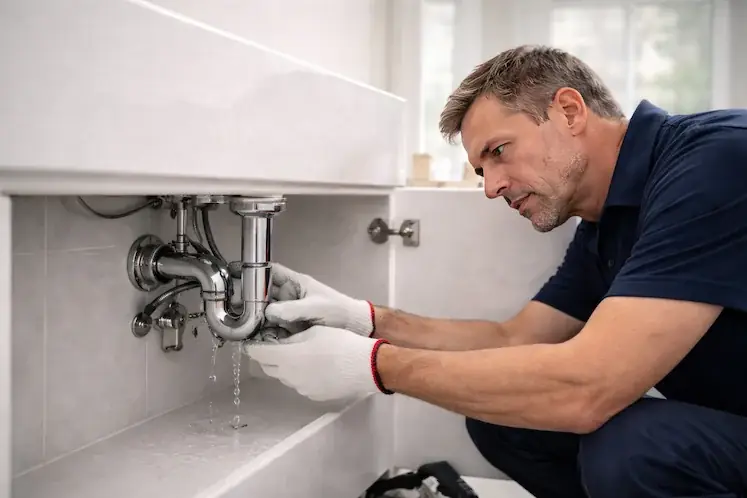
Clean the trap
Place a bucket under the U-bend, unscrew the trap by hand or with a wrench and clear out the blockage. Rinse it, refit it and run the tap to check for leaks.
-
Try a drain snake
A flexible drain snake or rod can reach blockages further down. Feed it in gently, turn it to catch the blockage and pull it back out.
Do and don't
Do
- Use strainers in sinks and showers to catch debris.
- Put cooking fat in the bin once it has cooled.
- Only flush toilet paper and human waste.
- Flush drains with hot tap water regularly.
Don't
- Flush wet wipes, even those marked flushable.
- Pour boiling water into plastic pipes or toilets. It can damage them.
- Use strong chemical cleaners repeatedly. They can harm pipes and are hazardous.
- Ignore a drain that keeps blocking.
When to call a plumber
Call a plumber if several drains are slow or gurgling at once, if waste water is backing up, if the blockage keeps returning or if an outside drain or manhole is overflowing. These suggest a problem further down the pipe that needs professional equipment. If the blockage is in a shared drain or public sewer, your water company may be responsible, so check before paying for repairs.
Not sure how urgent it is? See our guide to the signs you need an emergency plumber. A blocked toilet has its own causes, which we cover in why has my toilet stopped flushing.
How to prevent blocked drains
- Scrape plates into the bin before washing up.
- Fit hair catchers in showers and baths.
- Bin wipes, cotton buds and sanitary items instead of flushing them.
- Clear leaves and debris from outside drains, especially in autumn.
Frequently asked questions
Does bicarbonate of soda and vinegar unblock drains?
It can help with light build-up and smells, but it is not strong enough for serious blockages. A plunger or snake is usually more effective.
Is a blocked drain an emergency?
A single slow drain can wait. If sewage is coming up, a toilet is overflowing or water is flooding your property, call an emergency plumber.
Who is responsible for a blocked drain?
You are generally responsible for the pipes within your property boundary. Shared drains and public sewers may be the responsibility of your water company, so check with them first.
Related guides
What to Do in a Plumbing Emergency: A Homeowner's Guide
Read the guide →
7 Common Signs You Need an Emergency Plumber
Read the guide →
What to Do If a Pipe Bursts in Your Home
Read the guide →Plumbing emergency? Don't wait.
Our engineers cover the UK 24 hours a day, 7 days a week. Pay only a £49 trip charge and get your quote on-site.